Pre-med advising in Broward County, Florida
Getting into medical school is an 8+ year road, and it's built on decisions made long before anyone applies. Arcline Prehealth is a pre-med advisor and pre-health college counselor working with families across Broward County. We build the strategy early, from 8th grade through the medical school application, while your child can still act on it. The written plan is what comes out of it.
8th grade through college sophomore · a few families each year
The problem
There are a lot of decisions along the way. Which classes to take, and when. How to get real hospital experience. Where leadership actually comes from. When to take the SAT, and later the MCAT. How to get into research once college starts. Which schools to apply to.
Most families handle these one at a time, usually after the moment to decide has already passed. By then the best options are gone. A tutor fixes one grade. A test prep class raises one score. A college counselor stops the day your child gets into college, four years before medical school applications even open.
We build the strategy before you need it, and we stay for both applications.
What we do
Strategy comes first: what this particular student should be doing, in what order, and why. The written plan is the output. Then we work it, year by year, so that when your child applies, nothing is missing.
You get a document, not a conversation. Which classes to take and in what order, when to sit for each test, what to do each summer, and which colleges to target, sequenced year by year and revised as your child grows.
Grades alone don't get anyone into medical school. We help your child find real hospital hours, build genuine leadership in high school, and get into a research lab once college starts. These are the things that take years and can't be added at the end.
College lists, essays, recommendation letters and interviews, and then all of it again for medical school, including MCAT timing. Most advisors stop at the first acceptance. We don't hand your family off to a stranger halfway through.
In plain terms
A pre-med advisor plans the decisions and experiences that a medical school application is eventually built on, and then makes sure they happen on time.
In practice that means five things. Choosing the right courses in the right order, starting in 8th or 9th grade. Finding real clinical hours, the kind that involve patients rather than a gift shop. Building genuine leadership in high school, and getting into a research lab once college starts. Deciding when to sit for the SAT and later the MCAT. And then managing two full application cycles, first for college and again for medical school.
It is not tutoring and it is not test prep. A tutor fixes a grade. A test prep class raises a score. A pre-health college counselor is responsible for the strategy behind all of it, over roughly eight years.
Why families come to us
Most families already have help. The problem is that each kind of help covers one piece and ends well before the finish line.
Knows your child and means well.
Several hundred students, no time for a health-professions track, and no involvement at all once college starts.
Fixes a grade or raises a score.
Solves the subject in front of your child this semester. Nobody is looking at the four-year picture or what has to happen after.
Gets your child into a good school.
The acceptance letter. That's four years before medical school applications open, and the college years are where most pre-med plans quietly fall apart.
Plenty of families manage it.
Usually at the first thing nobody warned you about: a prerequisite missed, a summer spent on the wrong thing, a lab that would have said yes if anyone had asked.
We stay for the whole road. And the strategy is our job, not one piece of it.
How it works
The gold blocks show when each plan gets written. Both are written before the years they cover, not in the middle of them and not at the end.
8th-9th grade
Written before high school really begins. Which classes to take and in what order, when to test, and which experiences need all four years to build.
9th-12th grade
Real hospital hours and real responsibility. Research is a bonus in high school and hard to come by. Leadership is what builds the story.
11th grade - college year 1
Written while there's still time to act on it. Which colleges to apply to, then what has to happen once your student gets there, all the way to the medical school application.
College years 1-2
Freshman science courses are where most pre-med plans quietly end. Research starts here, and this is where it becomes a requirement rather than a bonus.
College years 2-3
When to sit for the MCAT is a strategy decision, not a scheduling one. We plan the timing, the preparation, and the retake decision if it comes to that.
College years 3-4
The main application, the follow-up essays each school sends, letters of recommendation, and interview practice, through to the acceptance.
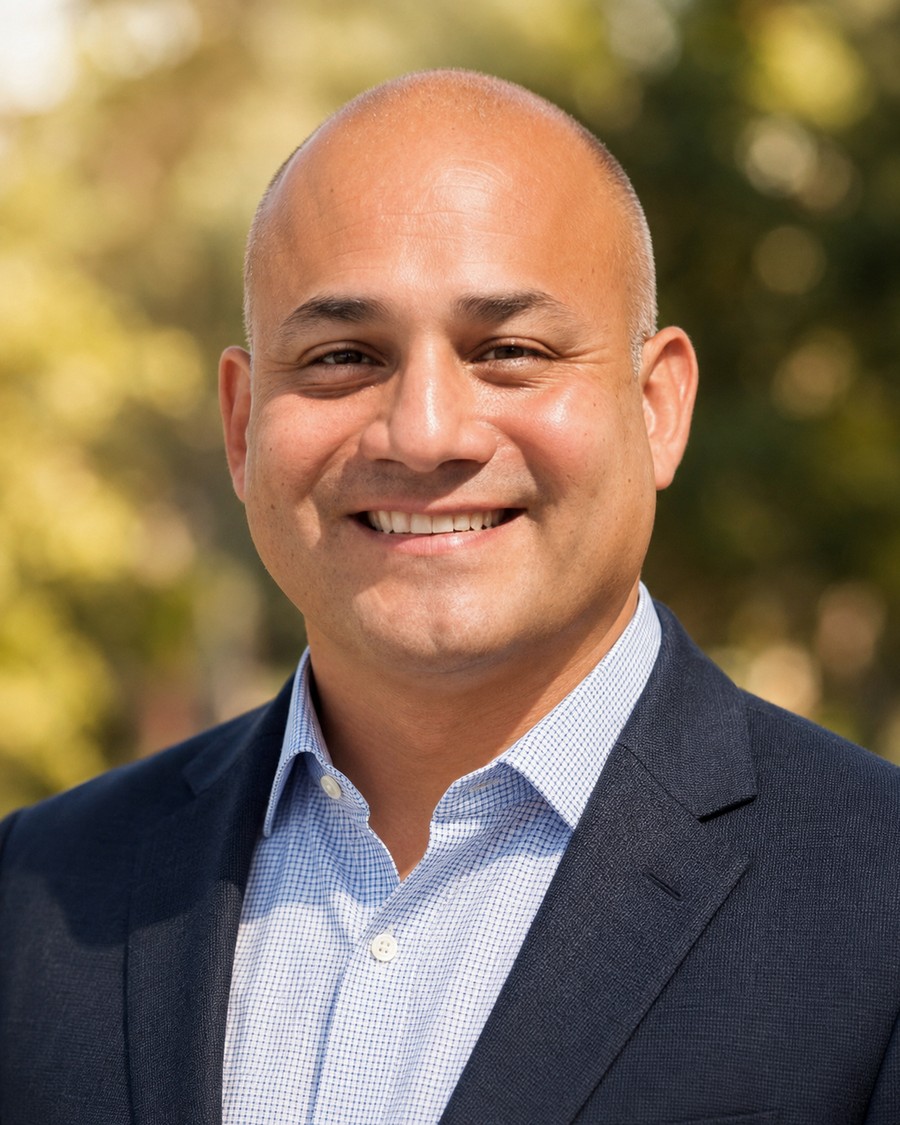
Who you'll work with
I'm Alejandro Mainetto. I started Arcline Prehealth after watching families across Broward and Dade County put everything they had into their children's medical ambitions, without anyone to tell them what actually mattered, and when.
I've helped and guided several families and students through this path over the past five years, including my own daughter, who is now a Dean's Honor Roll pre-med sophomore at the University of Florida. I know what the 8th and 9th grade decisions look like, because I've made them. And I know what it takes to arrange a real clinical placement, because I've arranged them.
I take a small number of families each year. You work with me and my team, and I'll tell you the truth about where your child stands, even when it isn't what you were hoping to hear.
Alejandro Mainetto, Founder
How we help
Take one, two, or all three, for a single year or the whole journey.
Where your student stands, what's missing, and the sequence from here: courses, clinical hours, research, testing, and target programs, laid out by term.
Quarterly check-ins, opportunities sourced as they open, deadlines watched, and course corrections when a semester goes sideways.
School lists, essays through multiple rounds, recommendation letters, interview practice, and submission, for college and again for medical school.
Timing
We take students from 8th grade through sophomore year of college. Here's the honest version of what each starting point looks like.
Everything is still open. Course sequence, experiences, and testing can all be planned rather than repaired.
Less flexibility, more urgency, and some options close. But this is where most families start, and it works.
The medical school plan gets written here. Grades, research and MCAT timing are all still in play, and there is a year of runway left to act on the plan.
By junior year the application is written by what has already happened. There is nothing left to plan, only to package, and that isn't what we do. We'll say so plainly and point you somewhere better.
Being honest
Medical schools decide who gets in, not us. And your child's own work matters more than anything we do. Anyone who guarantees you a spot is selling something.
What we can do is make sure nothing gets missed. No required class forgotten. No summer wasted. No thin résumé in senior year. No application that makes your child look weaker than they really are.
The students who got in didn't work harder at the end. They had a guide, started earlier, and were more intentional about the decisions they made.
Engagements
You can start any time between 8th grade and sophomore year of college. Families who take both tracks together pay less than buying them one at a time.
High school8th grade through getting into college
One-time
Where your child stands today, what's missing, and exactly what to do next, in writing.
One year
We check in every few months and answer questions by email or text in between.
9th-12th grade
All of high school, including the college plan we write in junior year.
Grade 12
School lists, essays, recommendation letters, interviews, and submission.
CollegeFreshman year through getting into medical school
One-time
A full plan for the college years, written before freshman year starts.
One year
Keeping grades up, staying in research, getting hospital hours, and planning the MCAT.
All of college
Four years from freshman entry, three from sophomore. Grades, research, MCAT timing, and the medical school application.
Both tracks
Both tracks, committed at the start. It costs less than buying them one at a time, and it is about eight years with the same person, the same record, and the same plan. Nothing restarts at either handoff, which is the whole point of it.
We talk about price at the free consultation, once we understand what your child actually needs.
Questions
We take students from 8th grade through sophomore year of college. 8th grade is best, because the high school plan should exist before high school does. If your child is already in college, the summer before freshman year is the equivalent moment. Starting later inside that window still works; we just spend more time catching up and less time planning ahead. After sophomore year we don't take new students, because by then the application is written by what has already happened.
No. We don't teach classes or run test prep. We build the plan and manage it. If your child needs a tutor, we'll tell you and help you find one.
We plan it: when to sit for it, how to prepare, how it fits around the semester, and whether a retake makes sense. We don't teach the content; if your student needs a tutor or a prep course, we'll help you pick one.
No. Nobody honestly can. The schools decide. We make sure your child is as ready as possible and that nothing gets missed.
No. Each one works on its own and you can join at any point. Taking both together costs less than buying them one at a time, but it's a choice and never required.
Yes, and we work with the student directly at that point. But college is where most pre-med plans quietly fall apart: a rough first-year GPA, research that never happened, taking the MCAT at the wrong time. Those are planning problems, and they're fixable ahead of time.
A pre-health college counselor plans the decisions and experiences a medical school application is built on: course sequence, clinical hours, leadership in high school, research once college begins, testing timing, school lists, essays and interviews. It is strategy and management, not teaching.
We price by package, never by the hour. What a family pays depends on where the student is and how much of the path we are managing. We talk about it at the free consultation, once we understand what your child actually needs.
We're based in Weston and work with families across Broward County, plus Miami-Dade and Palm Beach. We also meet online, which matters most during the college years when your student may be at school in another state.
A small number each year. We'd rather do a lot for a few families than a little for many.
The first conversation is free. We'll talk about where your child is now and what the path ahead looks like. No pressure, and no obligation to sign up.
We also run a free evening talk for parents. Save a seat
Straight answers
Before any plan makes sense, a few questions need honest answers. These are the ones families ask us most.
How to tell whose ambition it really is, and why finding out at fifteen costs a conversation instead of years.
Choosing a pathMD, PA, nurse practitioner, dentistry, physical therapy, pharmacy. What each really involves.
ServiceWhat service teaches a student that nothing else can, and why it matters beyond any application.
Get started
Tell us a little about your student. Your message comes straight to us by email, and we'll write back within one business day to set up a time. The first conversation is free, and there's no obligation to sign up for anything.
Prefer to come to the free parent session first? Choose “Parent seminar” below and we'll send you the next date.